ترجمه شعر کیومرث
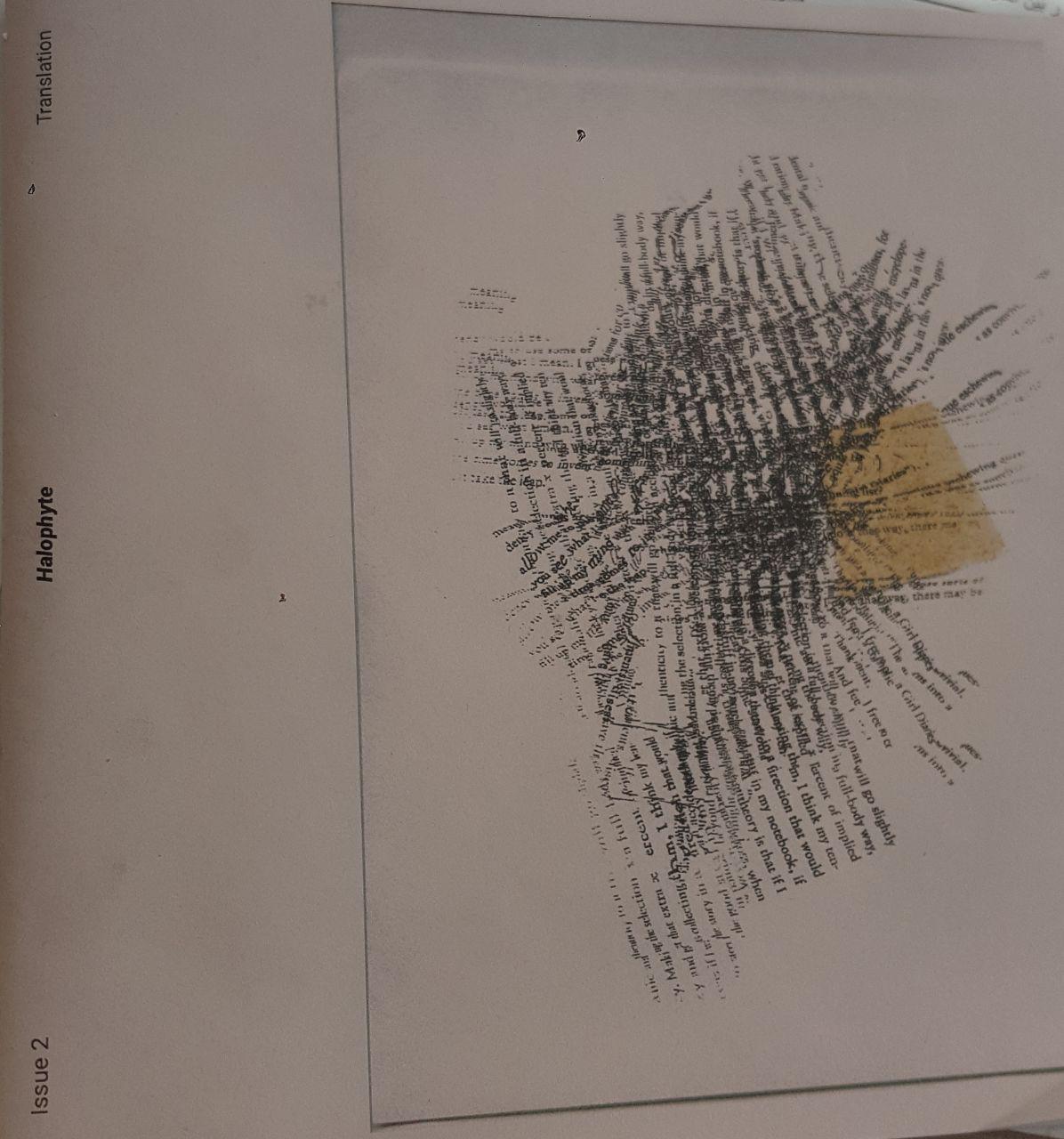
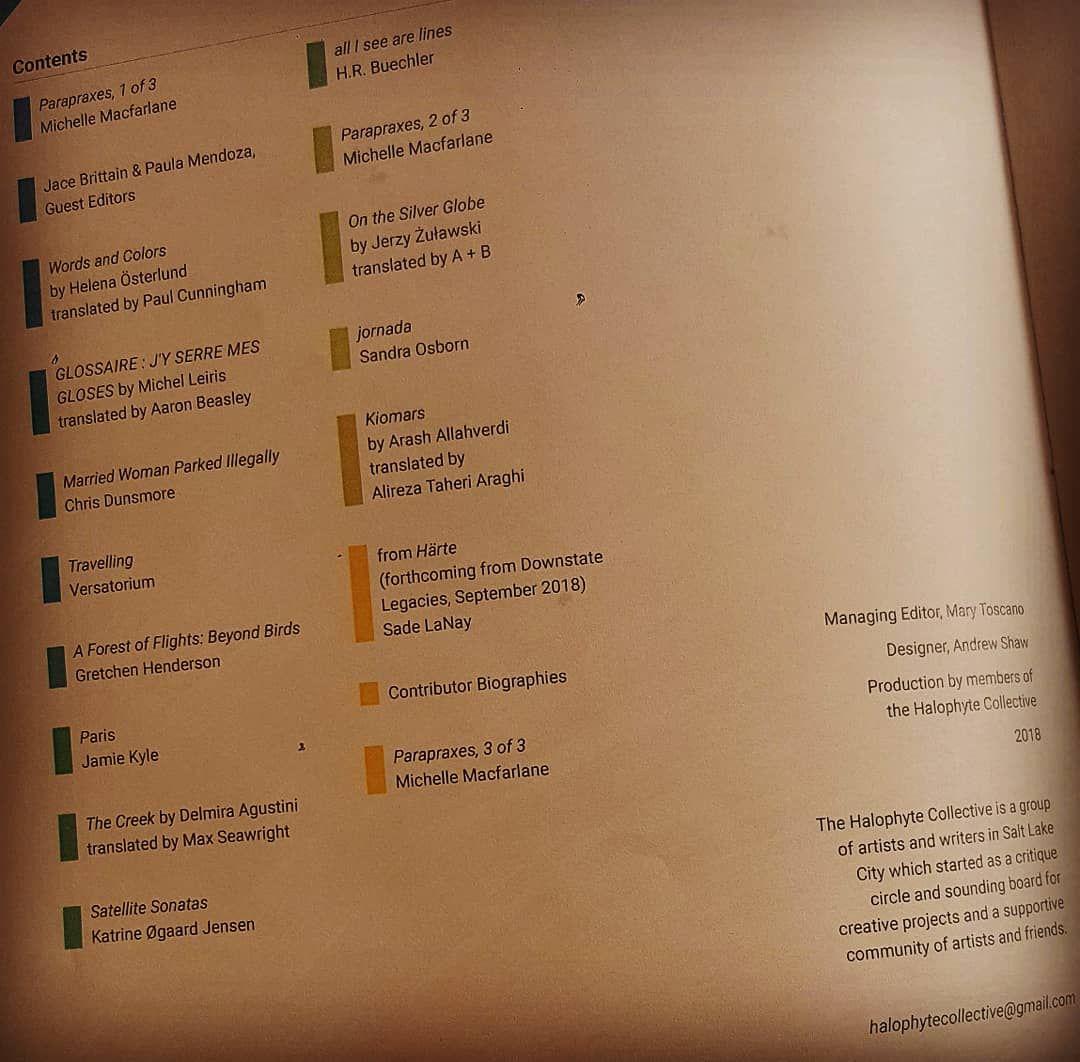
halophyte
Issue2_2018
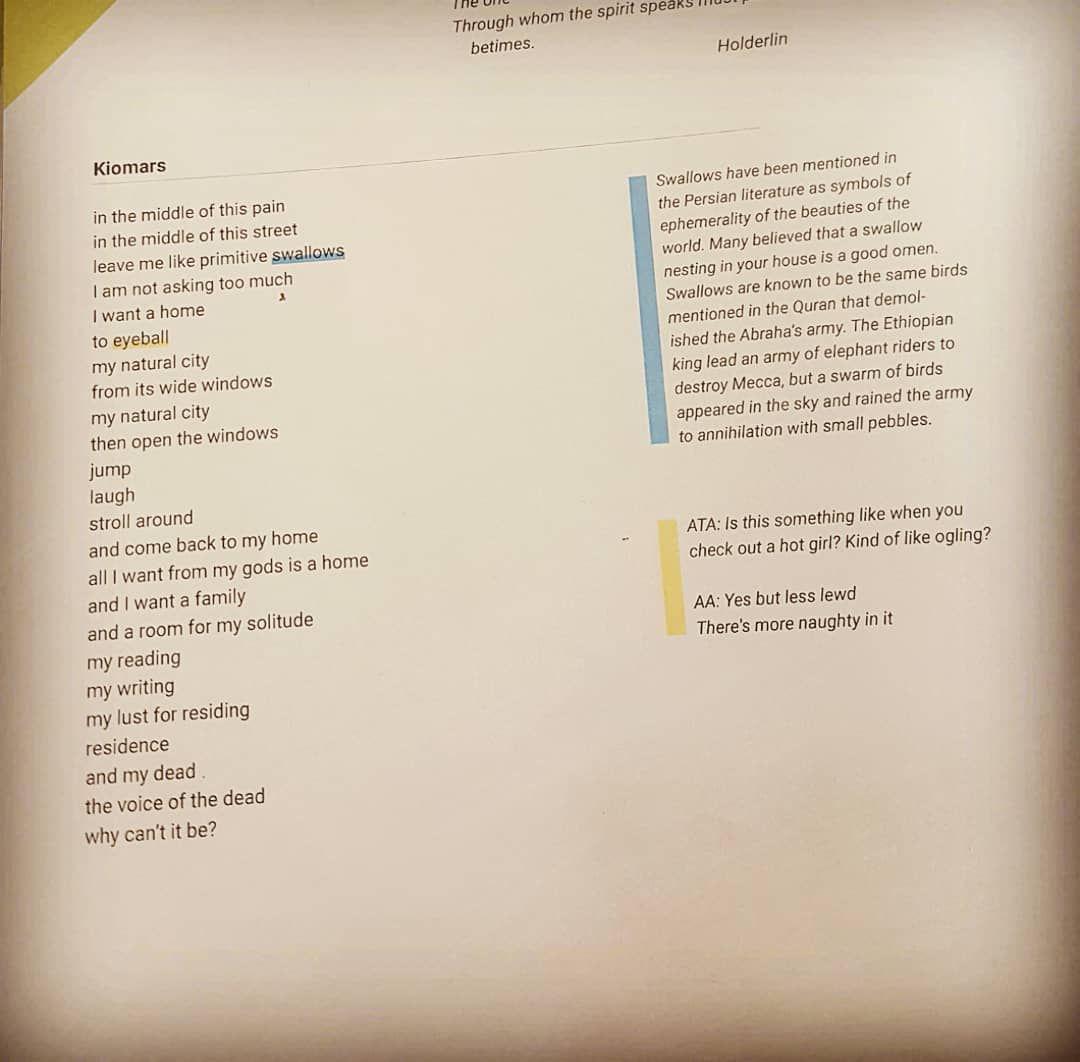
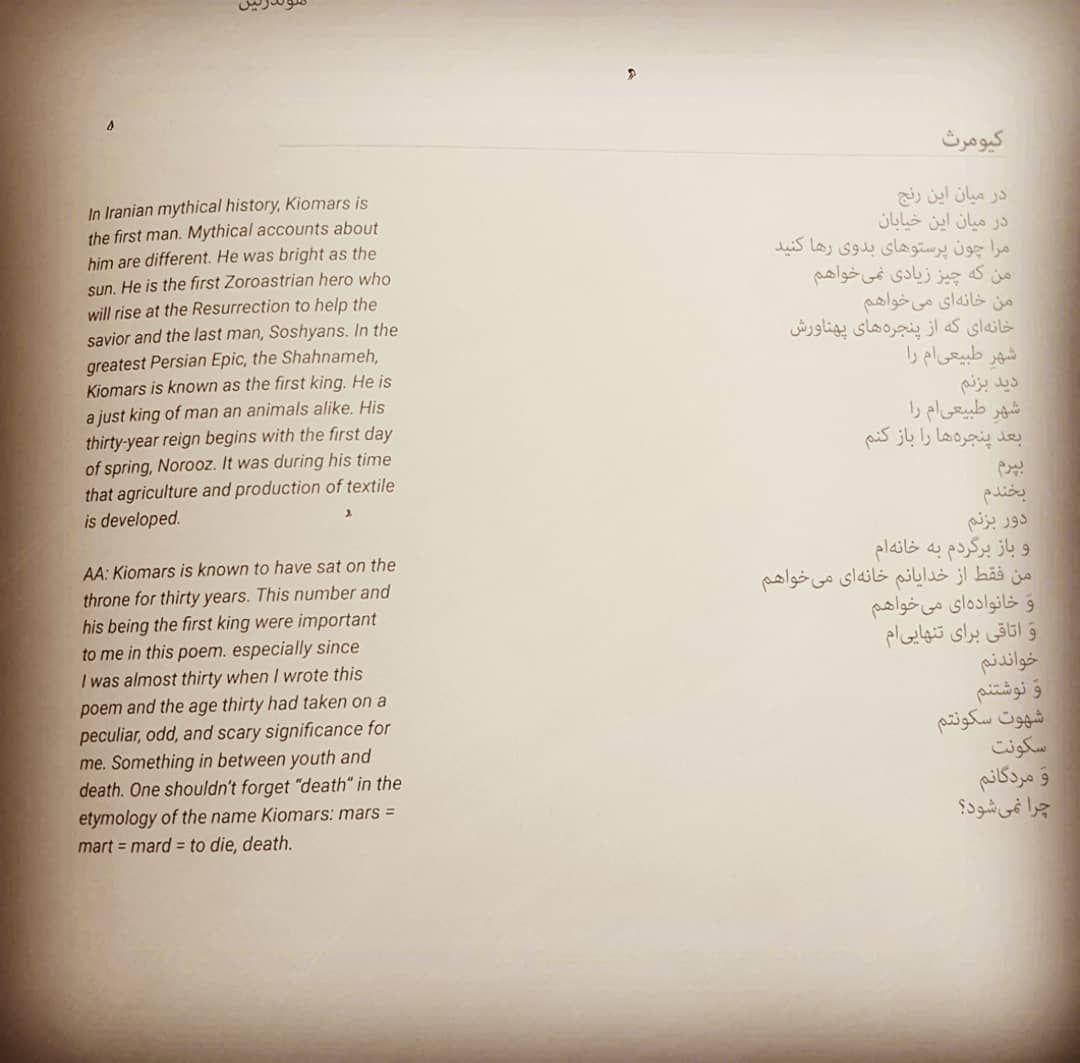
Kiomars
By arash allahverdi
translation by:alireza taheri araghi
+ نوشته شده در شنبه پانزدهم دی ۱۳۹۷ ساعت 18:32
توسط آرش اله وردی
|
halophyte
Issue2_2018
Kiomars
By arash allahverdi
translation by:alireza taheri araghi
هیچ، همین کف، دوشیزه شعر
تنها برای نمایاندن جام؛
چنانکه در دور غوطهزن در آب فرو
فوجی از پریانِ دریا، بیشمار پشت و رو
در مینوردیم دریا را، ای دوستانم گوناگون،
من دیگر در عقب کشتی
شما دماغهی پر شکوه که میشکافد
خیزابهای تندر و زمستان را
برمیانگیزدم مستی دلانگیزی تا
بی پروای نوسانش کژ و راست
برخاست نوشبادی بیاورم بجا
تنهایی، صخره و ستاره
نثار هر آنکه خرید به جان
سودای سپیدِ ماش بادبان
استفان مالارمه
آرش جودکی
-------------------------------
سپاس بی حد از آرش جودکی و ترجمهی دقیق و گرانبهایش.
مواجهه (Encounter)
برگردان آرش الهوردی
سحرگاه
سواره بر واگنی
از لابه لای دشتهای یخبسته میرفتیم
یک شاخه گل سرخ درون تاریکی.
ناگاه خرگوشی صحرایی از میان جاده گذشت
و یکی از ما با دست به او اشاره کرد.
مدتها از آن روز گذشته است
و حالا دیگر هیچکدام آنها زنده نیستند
نه آن خرگوش صحرایی
و نه آن مردی که اشاره میکرد.
آه، ای عشق من!
حالا آنها کجا رفتهاند؟
یعنی آنها به کجا میروند؟
تصویر تلالو آنیِ یک دست
رد یک حرکت
و صدای خشخش ریگها؟!!!
به کجا رفتهاند؟
اینها را
نه از سوگ و اندوهی که دارم
از حیرت است
که میپرسم!
شهر ویلنیوس
1936
چسلاو میووش (۱۹۱۱- ۲۰۰۴) شاعر و مترجم لهستانی-آمریکایی و برنده ی جایزه نوبل در سال 1980- این شعر یکی از مهمترین شعرهای میووش به شمار میرود.

A look through Asymptote's January Issue
Arash Allahverdi’s “Shitkilling,” translated from the Farsi by Thade Correa and Alireza Taheri Araghi, is a powerful poetry standout in Asymptote’s Winter Issue. It’s seductive: inviting its readers to read, “to come and do drugs,” to submit to the poem’s provocations—and “as if semen drink the water”—the poem is a one-of-a-kind experience of the high and low, of the routine and the extraordinary.
come
come and do drugs
bring the drugs and do it
drink
drink the water
as if semen drink the water
Patty: Especially as it appears in Asymptote’s latest winter publication, Correa and Araghi’s translation of “Shitkilling” swells in profundity. In a digital format already marked by abstraction to the casual reader (think Tumblr, GIFs, and Tao Lin), Allahverdi’s poem appears fragmented, distracted, even angry. But the poem’s offhandedness is false; its faux ephemera only augments the poem’s primality and the reader’s complete helplessness at the grossness of existence that it depicts. Despite our pretensions, we are mired in bodies, “Shitkilling” seems to say. Our organs grind along, producing urine, feces, semen, in the face of a brittle language begging to deny its own charade.
drink and piss
piss on the office ceramic tiles
don’t tell your colleague you pissed
tell him this is orange juice
your colleague will cheer up
Eva: The poem compellingly mingles the often-invoked categories of “high” and “low” (religious imagery with images of sex and drugs, for example), skillfully adding to the mix everyday specifics of the speaker’s discontented life—office ceramic tiles, angered colleagues, Lorazepam to sleep, an ignorant father-in-law. Consequently, the poem’s speaker seems to hail from a very specific and familiar-to-us-all place (“this neighborhood is hell / and this will be your fate”)—the reader knows his exasperation and boredom. The sex, drugs, and powerful religious images that punctuate the poem tear apart this banal, frustrating world, lending the poem much of its remarkable intensity.
and say real friends share drinks
and there are consequences
but don’t worry
tell lies
sleep
take lorazepam and sleep in the office
think of hips in your sleep
think of the capacities of hips
[…]
you also know that God himself knows
and he knows that he himself knows
and he knows that the Lord brings thousands of likenesses
forth
and he himself knows that you
are not even one of these likenesses
and he himself knows that you
are only scum, only excrement
and you yourself know that in excrement
—and the excrement knows it itself—
there are a thousand secrets
Eva: Allahverdi surprises throughout the poem, which deftly moves between registers, tones, vocabularies, and images, but constantly maintains a hypnotic quality through its subtly varied repetition (in the above stanza: himself, himself, yourself, itself).
The speaker reveals his anguishes and neuroses in powerful strokes. His admission that he knows and god knows that he is not one of god’s likenesses is especially strong—that he is “only scum, only excrement.” But even this statement might not be so startling if not for the one that follows. The poem proclaims that, like a god who knows itself and its likenesses, excrement knows itself too, is self-aware, and even this excrement—in which the poem is so fantastically mired—hides “a thousand secrets.”
***
Read Arash Allahverdi’s poem “Shitkilling” in its entirety in Asymptote’s January 2014 Issue.
***
Born in 1983 in Shiraz, Arash Allahverdi began writing poetry at age fifteen. His first book, Fury (2007), was an e-publication. After his second book, The Book of the Blood (2010), could not obtain a publication license, he again forwent conventional publishing and released it in e-book format. He currently edits a website dedicated to contemporary Persian poetry.
Alireza Taheri Araghi is an Iranian writer and translator. He has translated three collections of short stories into Farsi. His work has appeared in The Gloom Cupboard, Re:Visions, and Avatar Review. He is currently a creative writing M.F.A. candidate at the University of Notre Dame and edits the online journal PARAGRAPHITI.
Thade Correa hails from Northwest Indiana. He received his B.A. from Indiana University, Bloomington, his M.A. from the University of Chicago, and his M.F.A. from the University of Notre Dame. His work has appeared in various journals and recently garnered him the 2012 Billy Maich Academy of American Poets Prize.
translated from the Persian by Alireza Taheri Araghi and Thade Correa
Written by Arash Allahverdi
Translated by Alireza Taheri Araghi
Edited by Drew Kalbach
Illustrated by Sahar Salehzadeh
Read by Peter Twal
there is blood coming
blood
is
coming
blood is coming with a stranger
blood is coming in a cab
blood is coming with a loose woman
the loose woman and the blood are approaching my eye
I stare at the voluminous member of the blood
blood whispers to the woman
the loose woman bends into my eyes and forces her nipple
her nipple into my mouth
blood takes the woman’s hand
and drags
and takes her away
her head emerges from my mouth and teeth
slimy
the woman and blood go home
his body dripping with my saliva
blood comes out
blood is something between shame and fury
blood sends the loose woman home in a taxi
blood looks at me
I soil myself
blood pinches his nose
and rushes out of his eye
blood drips on his own face
blood wipes his face
blood looks in the mirror
“it’s just blood” he tells himself
I realize the loose woman hasn’t been able to satisfy blood
blood sits
exerts himself
wrinkles his eye and forehead
brings out blood
and holds a drop of himself in his hand
a drop that turns into “another blood”
another kin blood
blood and “another kin blood” go into my room
blood sticks his head out of the door
I mean our good friend blood
and approaches my eyes and says open your eyes a little, moron
the intellectual blood, his pressure goes up
leaves the blood
blood is throwing up
blood
the blood of madness
goes back in again
keeps cool
buries himself in blood’s warm arms
as if blood is taking it
his sound is coming
it’s as if blood is shitting
as if blood is dying giving birth
no
it becomes silent
as if blood gets well
blood is putting on his pants
gets out of the house
with “another blood” who has his pants already on
bloods who get out of the house
bloods who get out of the house
bloods who look out of the house
bloods who take the subway
bloods who mistake someone for Walter Benjamin on the subway
bloods who stick to Walter Benjamin
bloods who watch the commercials
bloods who have been robbed on the subway
bloods who have gone to the station and said Walter Benjamin have robbed them
bloods of madness
bloods of philosophy
bloods of depression
bloods of unemployment
bloods of indifference
bloods of anemia
little
less
I have dreamed these
I know nothing else
blood
is coming alone
blood is coming on foot
blood his head is spinning
I take him in my arms
blood implores closer and closer to my eyes
I bend over
and he drinks blood from my breast
blood is going
blood
is
going
blood
is
going from here
Written by Arash Allahverdi
Translated by Alireza Taheri Araghi
Edited by Drew Kalbach
Illustrated by Sahar Salehzadeh
Read by Peter Twal
Published 2/7/2013
انتشار ترجمه ی چند شعر فارسی در مجله ی Tripwire
می 2015
TRIPWIRE 9 * TRANSNATIONAL / TRANSLATIONAL Don Mee Choi, Harry Gilonis & Ch’iu Chin, Mette Moestrup (trans. Mark Kline), Jessica Tang, Juan Ortiz-Apuy, Ida Borjel (trans. Linda Rugg), Jules Boykoff, Divya Victor, Sean Bonney, Charlene Tan, Jen Hofer & Virginia Lucas, Lisa Robertson & Jessica Pujol Duran, Arash Allahverdi (trans. Alireza Taheri Araghi), Hugo García Manríquez, Ana Teresa Fernandez, Ali Dadgar, Gelare Khoshgozaran, Lasana M. Sekou, Miyó Vestrini (trans. the New Order of St. Agatha), Forugh Farrokhzad (trans. Sholeh Wolpé), Joaquim de Sousândrade (trans. Odile Cisneros), Oswald de Andrade (trans. Stella M. de Sá Rego), Jean-Joseph Rabearivelo (trans. Robert Ziller), Shahrnush Parsipur (trans. Steve MacDowell & Afshin Nassiri), Habib Tengour (trans. Pierre Joris), Víctor Valera Mora (trans. Guillermo Parra & Anne Boyer), Clemente Soto Velez (trans. Martín Espada & Camilo Perez-Bustillo), Cam Scott on Annharte, Sarah Dowling on Rachel Zolf, Zoe Tuck on Trish Salah, Susan Briante on Muriel Rukeyser, & more. 260 pages. May 2015. Download PDF
یادداشت پوپه میثاقی در مجله آندرلاین درباره کتاب I am a face...

طرح جلد کتاب «صورتی هستم که باید بخوانیاش
© co.im.press
نگاهی به کتاب «صورتی هستم شریکِ اندوهتان»، مجموعه شعری متفاوت از هفت شاعر جوان ایرانی که به انگلیسی منتشر شده
پوپه میثاقی
لطفا توجه بفرمایید که این مقاله حاوی کلمات و عبارات بی پرده است.
کتاب «صورتی هستم شریکِ اندوهتان» مجموعه شعری است از هفت شاعر جوان ایرانی که علیرضا طاهری عراقی انتخاب و از فارسی به انگلیسی برگردانده است (۲۰۱۵، نشر co.im.press) این شاعرها عبارتند از آرش اللهوردی، سوده نگینتاج، بابک خوشجان، علی اخوان کرباسی، مهناز یوسفی، شهرام شهیدی و اهورا گودرزی.
عراقی در مقدمه کتاب شرایط خود را برای انتخاب این شاعرها و آثارشان توضیح داده است. «از آثار متنوعی که وجود دارد، من بیشتر به کارهایی علاقمند بودم که شاعران کمتر مطرح انجام میدهند، عدهای بینام و نشان از جماعت شاعر که خودش هم نام و نشان چندانی ندارد.»
او میگوید هدفش «گرد هم آوردن مجموعه آثاری یکدست بوده است که به عنوان یک کتاب تک تأثیرگذار باشد و نه مجموعهای گسترده که آثاری را از هر جنسی شامل میشود.» کتاب همانطور که عراقی خواسته بود اثری است که میتواند به عنوان یک کتاب به تنهایی خوانده شود و «مجموعهای گسترده» هم نیست، اما شاید نتوان آن را مجموعهای «یکدست» دانست که البته این یکی از نقاط قوت اثر است. کتاب مجموعه متنوعی از صداها و دغدغهها را ارائه میکند، و همین تنوع و یکدست نبودن کتاب آن را برای خواننده جذاب و گیرا میکند. با این حال، اشعار کتاب هنوز خصوصیات مشترکی دارند که سبب میشود این اشعار بتوانند کنار هم بنشینند و یک کل واحد را تشکیل دهند. همگی قوی هستند، بیواسطه به موضوعات میپردازند، از ابراز عریان احساسات ابایی ندارند، در روزمرگیها معنای بسیار کشف میکنند، و در مواجهه با و افشای دنیایی پیچیده و چند لایه تا قلب همه چیز فرو میروند.
کتاب با شعر «گُهکُشی Opens in a new tab or window.» از آرش اللهوردی و خود شعر با این ابیات شروع میشود:
بیا
بیا و دراگ بزن
دراگو بیار و بیا بزن
بنوش
بنوش آب را
به مثابه منی بنوش آب را (ص ۳ کتاب انگلیسی)
و با شعر «بیل» از اهورا گودرزی تمام میشود. این شعر یکی از شعرهای مجموعهای است از گودرزی که از فیلم «بیل را بکش» اثر کوئنتین تارانتینو الهام گرفته است. شعر با این ابیات کل کتاب را به پایان میبرد:
یک، باد میپیچد توی فلوت تو
دو، قهرمان من بغض میکند
سه، انگشتهای قهرمان من میلرزد
چهار، سکوت میپیچد توی فلوت تو
پنج، اشک میچکد روی میز (ص ۱۳۵ کتاب انگلیسی)
در میانه این دو شعر، کتاب ما را از شعر «چیزی نیست» سوده نگینتاج Opens in a new tab or window. که آدمهای «گندهگوز» و چیزهای «بهگا رفته» و «آنچنانی»ای را که «روبهرویت» میایستند فهرست میکند (صص۳۲-۳۱) به «خواستگاری» بابک خوشجان «در خیابان آزادی» (ص۵۴) و ملاقات بانوی قهوه مسموم قجری میبرد؛ از «تیکتیک تیکتیک تیکتیک داااان» (ص۶۸) برنامه رادیویی تقویم تاریخ علی کرباسی و غولها و پریها و فکهای زرد او به شهر رشتی که با کلمات و ایماژهای مهناز یوسفی زنده میشود و بعد به صحنههای جنگ شهرام شهیدی که اجساد و دردهای آنها را مقابل چشمان ما میآورد؛ در این سفر ما به هر گوشه و کناری سر میزنیم، و همهجا همیشه به عمق میرویم. به علاوه، ترجمه و کنار هم قرار گرفتن چندین شعر از هر شاعر (دستکم پنج شعر) این امکان را به ما میدهد که با هر شاعر وقت کافی بگذرانیم و کمی با دغدغهها، تمها، صدا، و سبک او آشنا شویم.
در این میان، توجه به دو نکته شاید کتاب را قویتر هم میکرد. بسیار خوب میشد که به رسم خیلی از کتابهای شعر ترجمه، کتاب به صورت دوزبانه منتشر میشد تا خوانندهای که به زبان فارسی آشنایی دارد بتواند این اشعار را در هر دو زبان تجربه کند و خوانندهای هم که به زبان فارسی آشنایی ندارد بتواند دستکم تجربهای بصری از زبان و فرم اشعار در زبان اصلی داشته باشد. مسأله دیگر عکس روی جلد کتاب است. کتابی که مجموعهای از اشعار جسورانه و جستوجوگر را گرد هم آورده است باز هم چون بسیاری کتابهایی که از منطقهی خاورمیانه به انگلیسی ترجمه و در آمریکا ارائه میشوتد با عکس روی جلدی کلیشهای همراه است: چهره پوشیده زنی محجبه که تنها یک چشم او بیرون است و این چشم با حالتی تسلیم و اندوهگین به خواننده خیره شده است؛ عکسی که هیچ همخوانیای با صداهای عاصی و رسای داخل کتاب که همگی مدتها پیش بر هر تسلیم و اطاعتی غلبه کردهاند ندارد.
آدیتی ماچادو، دبیر شعر مجله Asymptote، مجلهای آنلاین مختص ترجمه و ادبیات جهان، که چندتایی از اشعار کتاب به هر دو زبان اصلی فارسی و ترجمه انگلیسی نخستین بار در آن چاپ شدند، در یادداشتی درباره کتاب مینویسد که چطور بعد از خواندن آن باورش به کتابهای گلچین شعر دوباره زنده شده است: «به دوستانم و غریبهها میگویم این کتاب را بخوانید. از ناشران میخواهم کتابهای بیشتری مثل این چاپ کنید. با هم همکاری کنید و مجموعههایی تهیه کنید مثل این مجموعه که این مترجم انتخاب و ترجمه کرده است.»
نکته مهمی که باید به خاطر سپرد نکتهای است که عراقی خود در مقدمه کتاب یادآور میشود، اینکه این کتاب نباید به عنوان نماینده کل شعر فارسی در نظر گرفته شود. بنابراین نه به عنوان یک نماینده (در واقع هیچ کتابی نمیتواند و نباید به تنهایی نماینده یک کشور و ادبیات و فرهنگش باشد) بلکه به عنوان یک کتاب شعر ترجمه شده از فارسی، کتاب ارزش خوانده شدن و مطرح شدن دارد. به خصوص در بازار کتاب انگلیسی زبان که اغلب به ترجمه نمونههای ادبی کلیشهای از ایران و خاورمیانه توجه نشان میدهد، حضور کتابهایی چون صورتی هستم شریکِ اندوهتان اتفاق خوبی است که باید بیشتر مورد توجه خوانندهها و منتقدها قرار بگیرد.
خەریکە خوێن دێ
خەریکە
خوێن
دێ
خوێن لە گەڵ غەوارەیەک دێ
خەریکە خوێن بە تاکسییەک دێ
خەریکە خوێن لە گەڵ سۆزانییهک دێ
خەریکە سۆزانی و خوێن بەرەو لای چاوی من دێن
من لە ئەسپابی زەڵامی خوێن دەڕوانم
خوێن و ژن سرتەسرتیانە
سۆزانی چەماوە ناو چاوانی من و مەمکهکانی
سەر گۆی مەمکی لە زارم نا
خوێن، دەستی سۆزانی دەگرێ و
ڕایدهکێشێ و
دەیبا
سەری لە زارم دەردێ
لیچق
بەرەو ماڵ دهخوشێن ژن و خوێن
لیکاوم لە بەژنی دەتکێ
خوێن بەرەو دەرێ دێ
خوێن شتێکه وهک شەرم و تووڕە بوون
خوێن، سۆزانی بە تاکسی دەباتەوە بۆ ماڵەکەی
خوێن سهیرم دهکا
من خۆم پیس دەکەم
خوێن لووتی دەگرێ و
لە چاوییەوە فیچقە دەکا
خوێن دهپژێته سەر دەم و چاوی خۆی
خوێن دەم و چاوی دهسڕێ
خوین لە ئاوێنە دەروانێ و بە خۆی دەڵێ: تەنیا خوێن
من دەزانم کە سۆزانی نەیتوانیەوە خوێن کاژێر بکا
خوێن دادەنیشێ
فشار بۆ خۆی دێنێ
ناوچاوانی تێک دەچێ
خوێن دەدلێ و
دڵۆپێک لە خۆی لە لەپ دەنێ
دلۆپێک کە دەبێتە خوێنێکیتر
خوێنی هاوڕەگەزێکیتر
خوێن لە گەڵ خوێنی هاوڕەگەزێکیتر دەڕۆنە هۆدەی من
خوێن سەری لە دەرگاوە دێنێتە دەر
خوێنەکەی خۆمان دەڵێم
لە چاوانم نزیک دەبێتەوە و دەڵێ بڕێك چاوت هەڵێنە گەوجە
خوێنی رووناکبیر، فشاری دەچێتە سەر
خوێن بهجێ دێڵێ
خوێن خەریکە دهڕشێتهوه
خوێن
خوێنی شێتی
دەڕواتەوە خوار
خوێن ساردیکەی ڕادەگرێ و
لە باوەشی گەرمی خوێن دەخزێ
تۆمەز خەریکە خوێن دەدا
دەنگی دێ
تۆمەز خوێن خەریکە دەڕی
تۆمەز خوێن خەریکە بە سەر زگەوە دەچێ
نا
بێدەنگییە
تۆمهز خوێن چاک دەبێتەوە
خوێن خەریکە شاڵوارەکەی لە بەر دەکا و
لە گەڵ خوێنێکیتر کە شاڵوارەکەی لە بەر کردووە
لە ماڵێ دهردهکهون
خوێنەکان کە لە ماڵ دهردهکهون
خوێنەکان کە لە ماڵ دهردهکهون
خوێنەکان کە چاو لە دەرێ دەکەن
خوێنەکان کە سواری مێترۆ دەبن
خوێنەکان کە لە مێترۆدا کەسێک بە واڵتر بنیامین دەگرن
خوێنەکان کە بە والتر بنیامینەوە دەنووسێن
خوێنەکان کە لە رێکلامە توجاریکان دەڕوانن
خوێنەکان کە پارەیان لە مێترۆ لێ قەپاندوون
خوێنەکان کە چوون بۆ کەڵانتەری و وتوویانە والتر بنیامین پارەکەیانی لێ قەپاندوون
خوێنەکانی شێتی
خوێنەکانی فەلسەفی
خوێنەکانی پەژارەیی
خوێنەکانی بێکار
خوێنەکانی بێ عار
خوێنەکانی کەم خوێن
کەم
کەمتر
ئەوانەم خەون دیوە
ئیتر شتێک نازانم.
خوێن
خەریکە تەنیا دێ
خوێن خەریکە پیادە دێ
خوێن سەری لە گێژەوە دێ
لە باوەشی دەگرم
خوێن بە تکاوە لە چاوانی من نزیک دەبێتەوە
دادەێمهوه و
لە مەمکم خوێن دەمژێ
خوێن خەریکە دەڕوا
خوێن
خەریکە
دەڕوا
خوێن
خەریکە
لێرەم دڕوا.